Some surgical scars heal smoothly but remain noticeably lighter than the skin around them. When that color difference is what makes a scar stand out, camouflage rather than resurfacing may be the more relevant approach. AesthetiSpa Cosmetic Skin & Laser Center offers scar re-pigmentation in Mount Pleasant, South Carolina. Our licensed esthetician Kimberly Bunch, LCE, is trained and certified in micropigmentation, permanent makeup, scar rejuvenation, and areola replacement.
Why Can a Healed Scar Stay White?
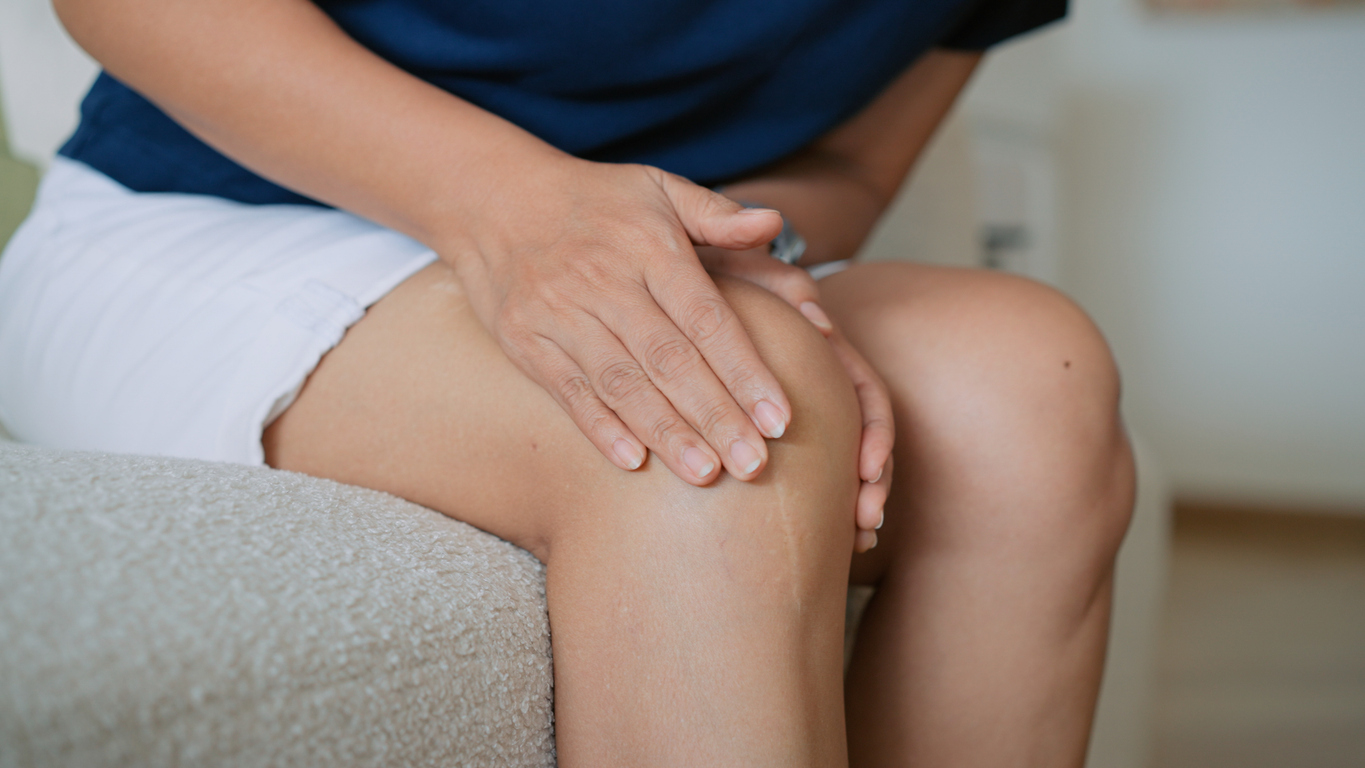
After an incision or injury heals, scar tissue does not always retain the same natural pigment as the surrounding area. This loss of color is known as hypopigmentation.
A scar may therefore be flat and fully closed yet remain easy to spot because it looks white or noticeably paler than nearby skin. Our Micropigmentation page explains how flesh-toned pigment can be introduced to reduce that contrast.
The aim is not to erase the scar or change its texture. Scar re-pigmentation focuses on helping the color blend more naturally with the skin around it.
How Does Scar Re-Pigmentation Work?
Scar camouflage uses micropigmentation techniques to place carefully selected color into healed tissue. The pigment is chosen with the surrounding skin tone in mind so the treated area attracts less visual attention.
This technique is related to permanent makeup, which also uses implanted pigment to create lasting color. With scar work, however, the goal is not to create a cosmetic feature such as brows or eyeliner. It is to make an area of lost pigment less conspicuous.
Color matching takes care and experience because scar tissue does not always behave like untreated skin. The appearance of the scar, how long it has been healed, and the difference between the scar and your natural skin tone all need to be evaluated first.
What Types of Scars Can Be Considered?
Our micropigmentation information identifies several types of healed scars that can be considered for re-pigmentation, including:
- Surgical scars
- Facelift scars
- Accident scars
- Scars following melanoma or skin cancer removal
A consultation is especially important because not every visible scar is primarily a pigmentation problem. If texture, thickness, redness, or ongoing healing is the main concern, camouflage may not address what bothers you most.
What Can You Learn From Before-and-After Photos?
Seeing actual examples can make it easier to understand what scar camouflage is designed to accomplish. Our Scar Repigmentation Before-and-After Gallery shows treatment performed at AesthetiSpa.
The goal is subtle blending rather than making the skin look untouched. Before-and-after images can be useful for setting expectations, although your outcome will depend on the characteristics of your own scar and skin.
Ask About Scar Re-Pigmentation in Mount Pleasant
If a healed surgical scar is lighter than the surrounding skin, we can evaluate whether adding pigment could make the color difference less apparent. To speak with Kimberly Bunch, LCE, and our team at AesthetiSpa Cosmetic Skin & Laser Center in Mount Pleasant, South Carolina, contact us or call 843-849-9925.